Welcome!
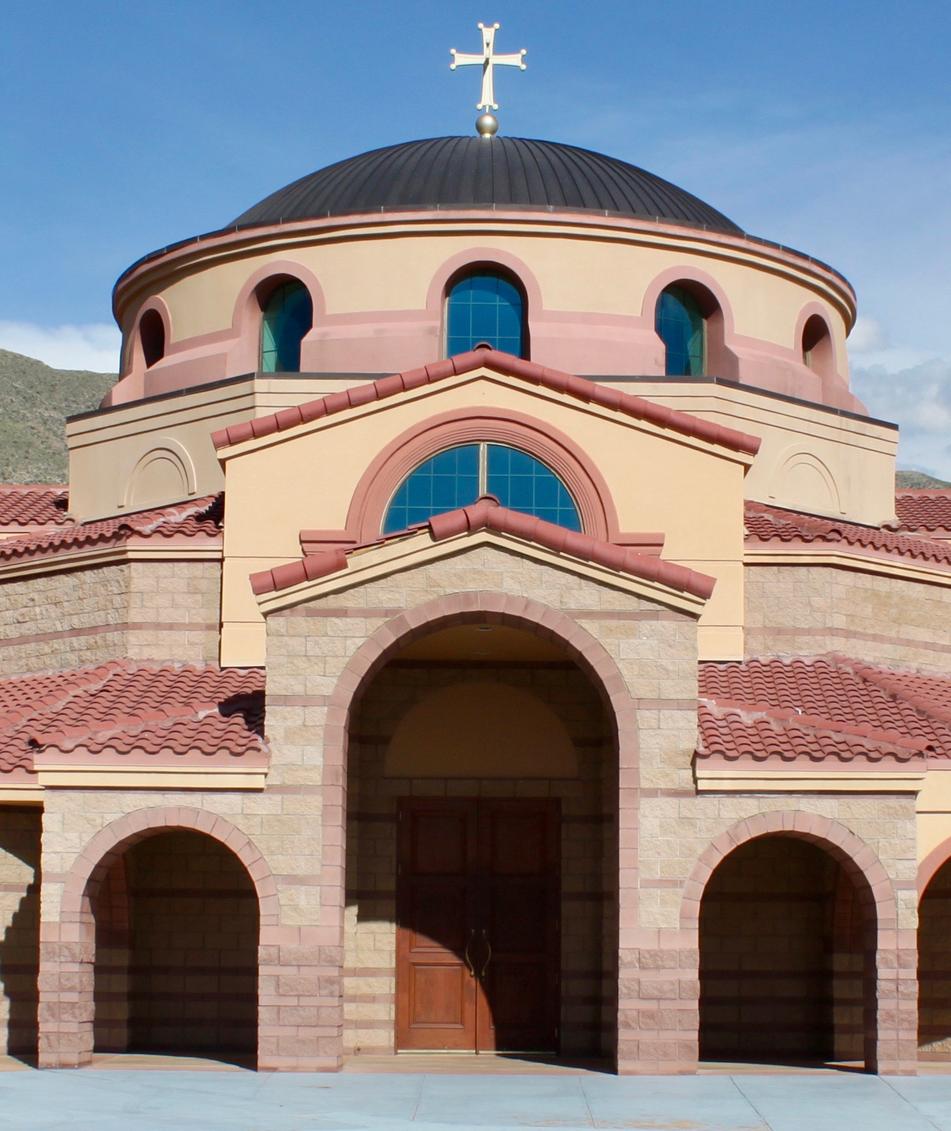
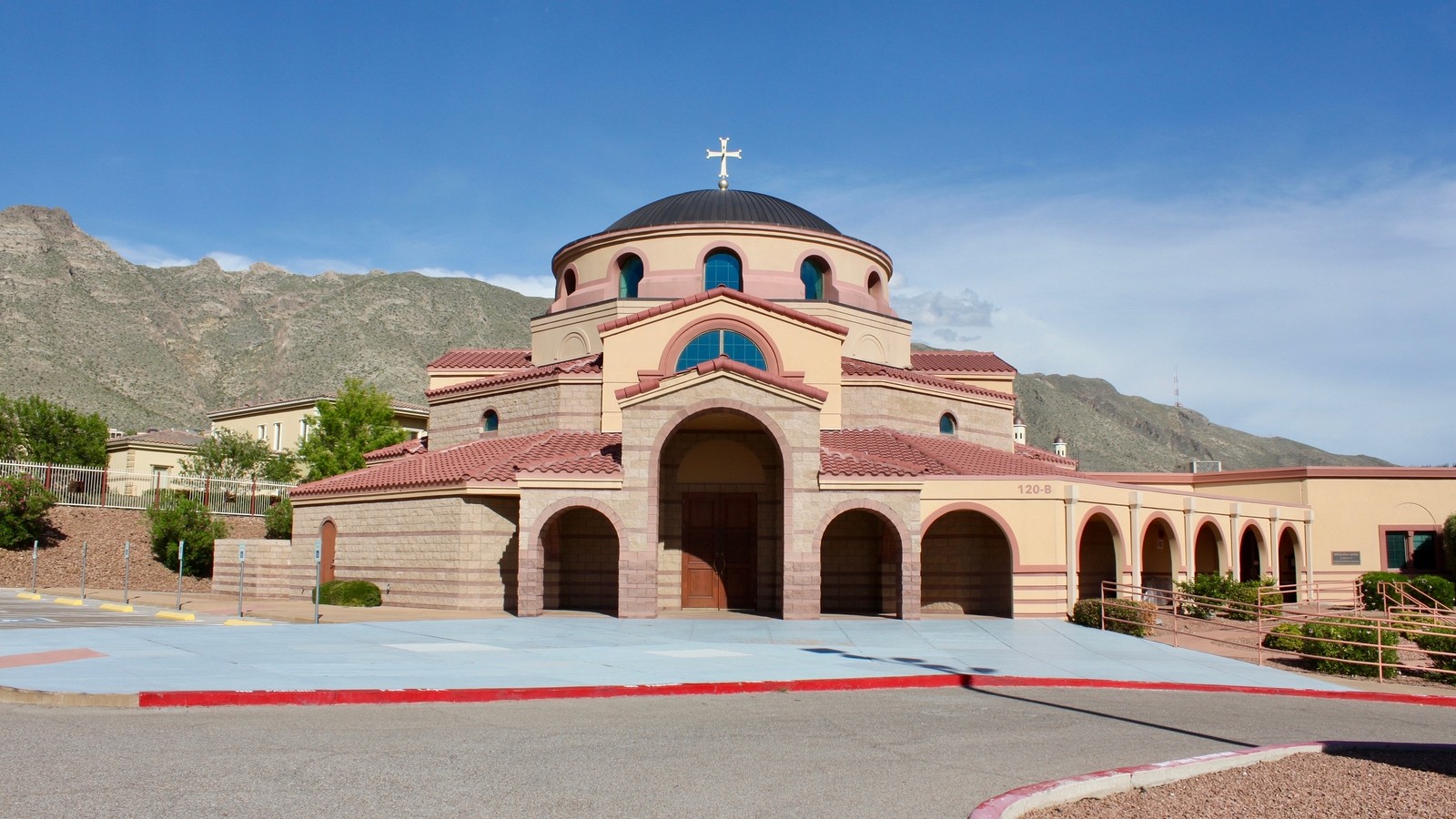
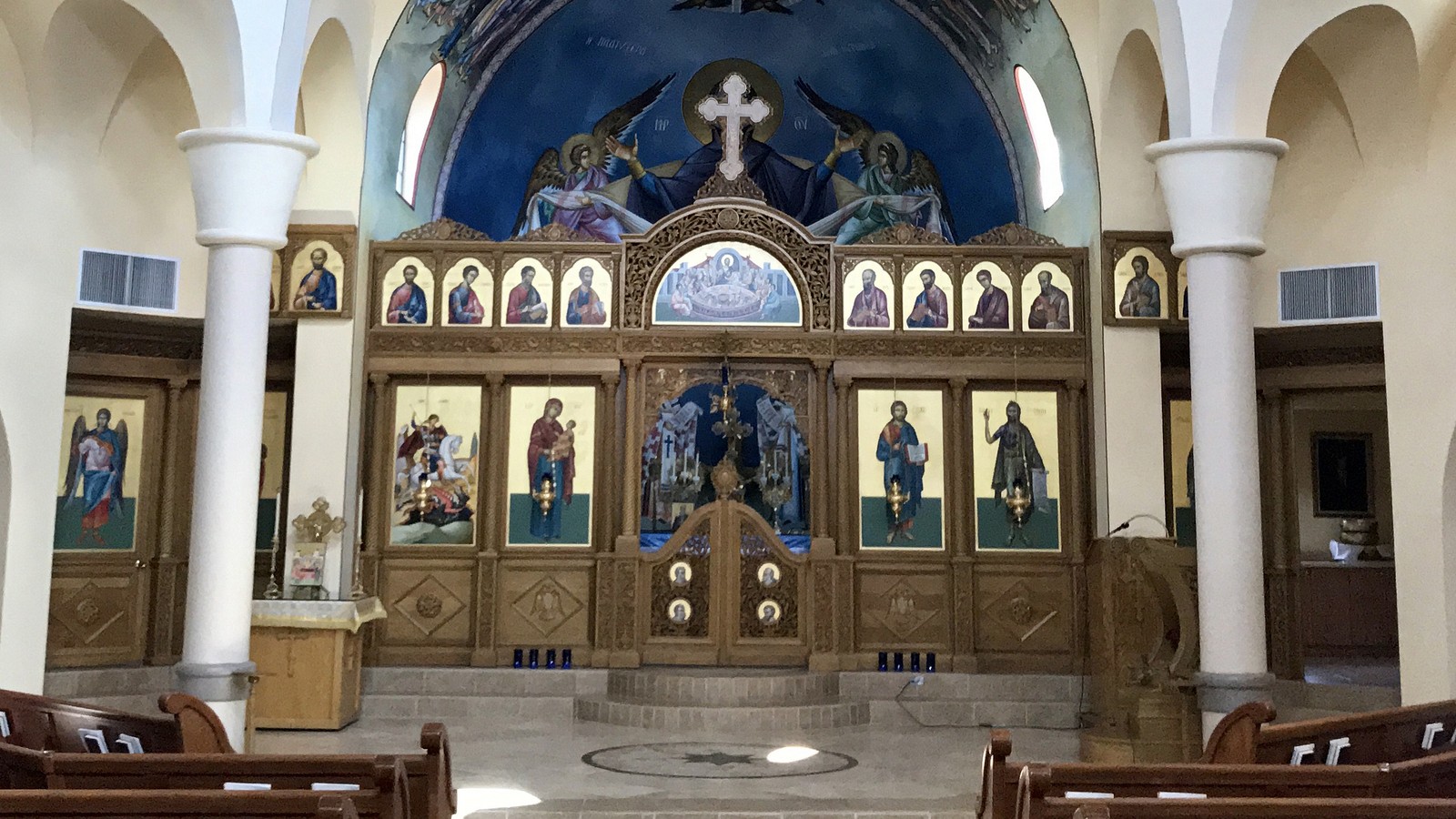
Saint George Orthodox Church
El Paso, Texas

“And the Disciples were first called Christians in Antioch”. Acts 11:26

**Embracing Our Antiochian Identity**

At the heart of our community lies a deep-rooted commitment to our Antiochian heritage. Our ethos is shaped by the values and traditions passed down through generations, guiding us in our daily lives and spiritual journeys.

Historically, it was in Antioch that Christians were first called by that name, marking a pivotal moment in our faith. Our unique church embraces the beauty of diversity, welcoming individuals of all races, colors, and ethnicities. We have learned the true essence of love—how to embrace and uplift our brothers and sisters, regardless of their background.

Being Antiochian means more than just belonging to a group; it's about embodying the rich tapestry of our traditions that define who we are. From our worship practices to our communal gatherings, every aspect reflects our shared identity.

Let us celebrate our Antiochian spirit, honoring our past while fostering unity and growth for the future. Together, we uphold the traditions that bind us, ensuring our identity shines brightly in all we do.

In Christ,

Rt. Rev. Archimandrite Fadi Rabbat

Our Patron Saint - Saint George the Trophy Bearer

St. George the Great Martyr, beloved saint of the Antiochian Archdiocese and patron of many of our parishes and people, is commemorated on April 23, except when this falls before Pascha, in which case he is typically commemorated on Bright Monday.

Apolytikion of St George (Tone 4):

As the deliverer of captives and the protector of the poor, as the physician of the feeble and combatant of kings, holy champion and great martyr George, intercede with Christ our God to save our souls.

Kontakion of St George (Tone 4):

Thou wast cultivated by God and didst become a most wonderful cultivator of piety, and didst harvest for thyself the sheaves of virtue, for having sown in tears thou didst reap in joy and having withstood to death thou art garnered for Christ. By thy intercessions, O Saint, thou dost obtain for us all remission of our sins.

The Life of St. George

The holy, glorious and right-victorious Great-martyr and Trophy -bearer George was a Christian Roman soldier killed under in Cappadocia, his mother was from Palestine, and thus he is Diocletian at the beginning of the fourth century. Though he was born a particular favorite of many Palestinian Christians. He is also the patron saint of Moscow, Georgia, and England,
amongst other places. The Church commemorates St. George on April 23, and the translation of his relics on November 3.

According to Tradition, St. George was born to a Christian family during the late 3rd century. His father was from Cappadocia and served as an officer of the army. His mother was from Lydda, Palestine. She returned to her native city as a widow along with her young son after the martyrdom of St. George's father, where she provided him with a respectable education and raised him in piety.
The youth, it would seem, followed his father's example in joining the army soon after his coming of age. He proved to be a charismatic soldier and consequently rose quickly through the military ranks of the time. By his late twenties he had gained the titles of tribunus (tribune) and later comes (count). By that time St. George had been stationed in Nicomedia as a member of the personal guard attached to Roman Emperor Diocletian (reign 284–305).

In 303, Diocletian issued an edict authorizing the systematic persecution of Christians across the Empire. His Caesar, Galerius, was supposedly responsible for this decision and would continue the persecution during his own reign (305–311). It is believed that St. George was ordered to take part in the persecution but instead confessed to being a Christian himself and criticized the imperial decision. An enraged Diocletian proceeded in ordering the torture of this apparent traitor and his execution.

Then, after innumerable forms of torture, St. George was executed by decapitation in front of Nicomedia's defensive wall on April 23, 303. The witness of his suffering convinced Empress Alexandra and Athanasius, a pagan priest, to also become Christians, and so they also joined St. George in martyrdom as consequence. St. George's body was then returned to Lydda for burial, where Christian

"So let each one give as he purposes in his heart, not grudgingly or of necessity; for God loves a cheerful giver." 2 Cor. 9:7

Whether it's a general donation, or one in memory of a beloved relative or friend, you can now make your donations in a secure fashion using your Credit/Debit card, or your PayPal account. 

Don't forget to leave a message letting us know the purpose of your donation.

AHOS offers programs of theological study for Orthodox Christians and others to increase their knowledge of the faith and to acquire practical skills in support of their work in the Church. Please click the icon for more information.

Subscribe to our mailing list

* indicates required


St. George Antiochian Orthodox Church

120 N. Festival Dr.

El Paso, Texas 79912

(915) 584-9100